The Expensive Business of Building Too Early
An investment can look impressive long before it is ready to make money.
Introduction
There is something satisfying about watching a project take physical shape. Land is acquired, construction begins, equipment arrives and a team is assembled. An idea gradually becomes something tangible, giving investors and business owners the reassurance that progress is being made. In many ways, these are important milestones, but they can also create a misleading sense of readiness, particularly when the visible parts of a project begin to move ahead of the decisions that will determine whether the business can actually succeed.
Before committing significant resources to a project, there is a question worth considering: is the business ready for what is being built?
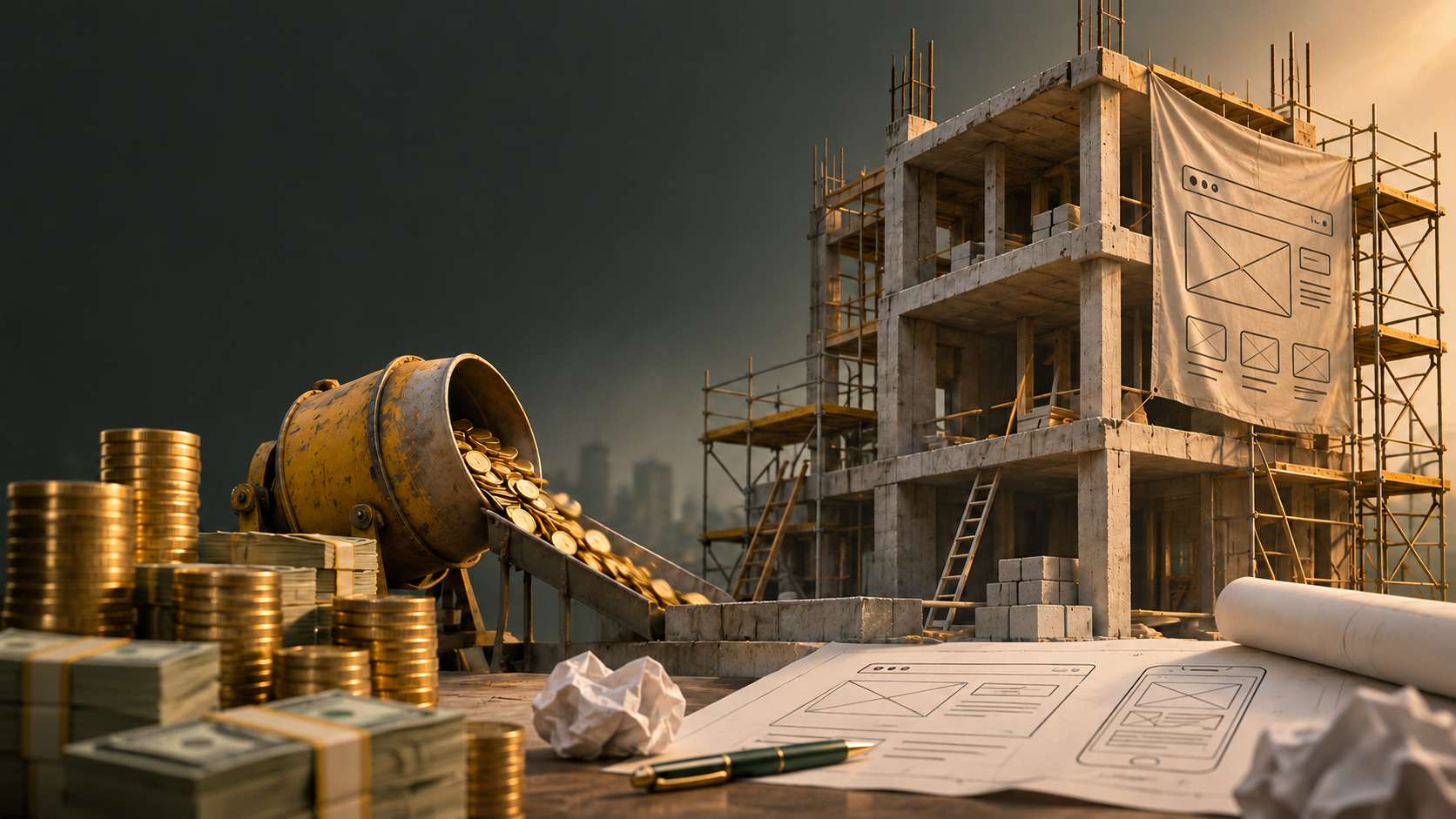
It is entirely possible to have the right land, substantial capital and impressive infrastructure while still being several important decisions away from having a viable business. A facility may be complete without a clear operating model, equipment may be installed before the people required to manage it have been identified, and production capacity may be established without a proper understanding of the market expected to absorb its output. This is where building too early becomes expensive, because the investment begins to create obligations before the business has established the conditions required to meet them.
When progress gets ahead of preparation
In businesses that depend on physical infrastructure, there is a natural tendency to begin with what can be seen and measured. A manufacturing business needs a facility, an agricultural enterprise needs land and production infrastructure, while a processing operation requires machinery capable of handling its intended output. These are genuine requirements, often involving considerable capital, but problems arise when acquiring these assets becomes the primary measure of how ready a business is to operate.
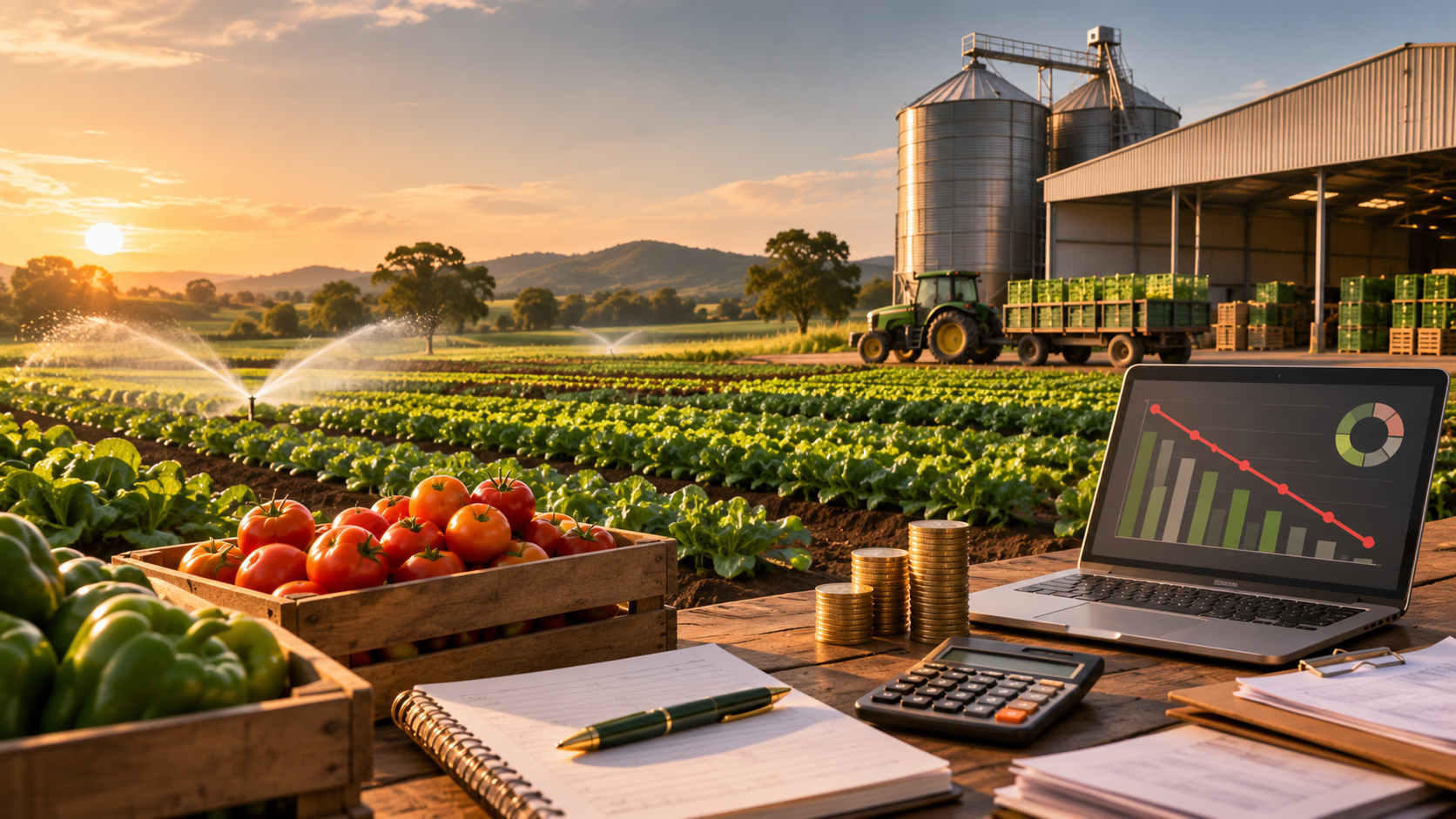
Consider an agricultural project developed around a particular crop. The land is secured, irrigation is installed, greenhouses are constructed and production equipment is purchased, creating the appearance of a well-developed commercial operation. Yet important questions may remain unanswered: who will manage daily production, what volume can be produced profitably, where will inputs be sourced and at what cost, and what quality standards will potential buyers expect? There is also the question of how produce will be stored, transported and delivered, particularly when the harvest is ready and the market is unable to absorb the expected volume.
These considerations are often treated as operational details to be resolved once production begins, when in reality they should influence the investment decision from the outset. The scale of infrastructure, the choice of equipment and even the location of a project can be affected by the answers to these questions. When preparation is postponed, a business risks accumulating costs while trying to establish the very conditions that should have informed its development.
Infrastructure has a way of creating its own obligations
An asset rarely costs only what was paid to acquire it. Once a facility is completed, it requires maintenance, security, utilities and people to keep it operational; equipment needs servicing, staff require salaries, and other running expenses continue regardless of whether the business is generating sufficient revenue. The investment therefore extends beyond the initial construction or acquisition cost, creating a recurring financial commitment that must be supported by the performance of the business.
This becomes particularly concerning when a project has been structured around the cost of development, with insufficient attention given to the cost of sustaining operations. A processing facility, for instance, may have been designed around an attractive production capacity, but inconsistent access to raw materials could leave it operating well below that capacity. Seasonal demand may result in prolonged periods of inactivity, while high distribution costs could make the finished product commercially uncompetitive despite an otherwise efficient production process.
The facility itself may be perfectly sound, yet the commercial arrangement around it may not be strong enough to justify the investment. This distinction is important because a project can be technically successful, in the sense that it has been completed and is capable of performing its intended function, while remaining commercially disappointing. In such situations, the problem is rarely the infrastructure alone; it is the gap between what was built and what the business was actually prepared to sustain.
The market should have a say before the investment is made
One of the more costly assumptions in project development is that demand will take care of itself once production begins. Much attention is often given to what a business can produce, how much it can produce and how quickly it can increase capacity, while considerably less attention is paid to what the market is prepared to buy, in what quantities, at what quality and under what commercial conditions.
For an agricultural enterprise, this means understanding the requirements of potential buyers before planting decisions are finalised, rather than beginning the search for a market when produce is already approaching harvest. A processing business needs to examine the availability and cost of raw materials alongside the market for its finished products, while a manufacturing operation must understand distribution, competition, pricing and customer demand before committing to a particular production capacity.
Market understanding should therefore influence the investment decision itself, rather than become a responsibility handed over to the sales team after the project has been completed. This does not mean every uncertainty can be eliminated before a business begins, as markets change, costs fluctuate and assumptions sometimes prove incorrect. However, there is a meaningful difference between taking a calculated risk after examining the commercial environment and committing substantial resources without first understanding the conditions on which the business will depend.
People and systems are part of the investment
A business is ultimately sustained by the people, processes and decisions that keep it functioning, yet human capital and operational systems are sometimes treated as things to be assembled after the physical project is complete. This can leave a newly developed operation with significant assets to maintain and expectations to meet, but without the management structure or internal discipline required to run it effectively.
Questions around authority, accountability and performance should be addressed early. Who is responsible for daily decisions, how will operational performance be measured, who oversees procurement and production, and what information will be available to the people responsible for managing the investment? These arrangements become particularly important as an operation grows, because weaknesses that may be manageable at a small scale can become considerably more expensive when spread across a larger business.
Technology can improve visibility, equipment can increase capacity and infrastructure can make certain activities possible, but none of these automatically creates operational discipline. The people and systems required to make an investment productive deserve the same attention as the physical assets themselves, because their effectiveness will have a direct bearing on how well those assets perform over time.
A better sequence for building
There is no universal formula for developing a business, as the requirements of a commercial farm will differ from those of a processing facility or an investment portfolio. Nevertheless, a sound development process should establish a clear understanding of the commercial opportunity, the operating requirements and the financial implications before significant capital is committed.
This begins with understanding the market and the customer, including the demand the business intends to serve, the competition it will face and the conditions under which it can generate sustainable revenue. From there, the operating model can be developed around the resources, people, processes and partnerships required to deliver that proposition, with careful attention given to the costs of running the business beyond its initial development.
The assumptions behind the project must also be examined, particularly those relating to supply, production capacity, pricing, logistics and projected returns. Some will be supported by reliable information, while others may require further research, testing or validation before the investment can proceed with confidence. Once these considerations are understood, infrastructure, equipment, staffing and technology can be selected according to what the business actually needs, rather than what simply makes the project look complete.
This approach does not eliminate risk, nor does it guarantee that every investment will perform as expected. What it does is make the underlying assumptions more visible, allowing decisions to be made with a clearer understanding of the resources required and the conditions that must hold for the business to succeed.
Readiness is an investment decision
The pressure to move quickly is understandable. Opportunities have timelines, land becomes unavailable, prices change and competitors move, meaning that waiting can sometimes carry its own cost. However, speed and readiness are different considerations, and moving quickly without sufficient preparation can leave a business spending the next several years correcting decisions that should have been examined before construction began.
In some cases, the most productive work at the beginning of a project happens before anything is built. It takes place through the conversations, assessments, financial models, market research and operational planning that determine what should be built, how it should function and whether the investment can be sustained. These activities may be less visible than construction or equipment acquisition, but they can have a far greater influence on the eventual performance of the business.
At Sevnine, we believe readiness should precede infrastructure. The ambition to build something substantial must be matched by an equally serious understanding of what it will take to operate, sustain and grow it. The real measure of an investment is not simply how much has been built or how quickly a project has moved from paper to reality, but what the business is capable of doing once the building is complete.
That is a question worth answering before the first major commitment is made.
Written by